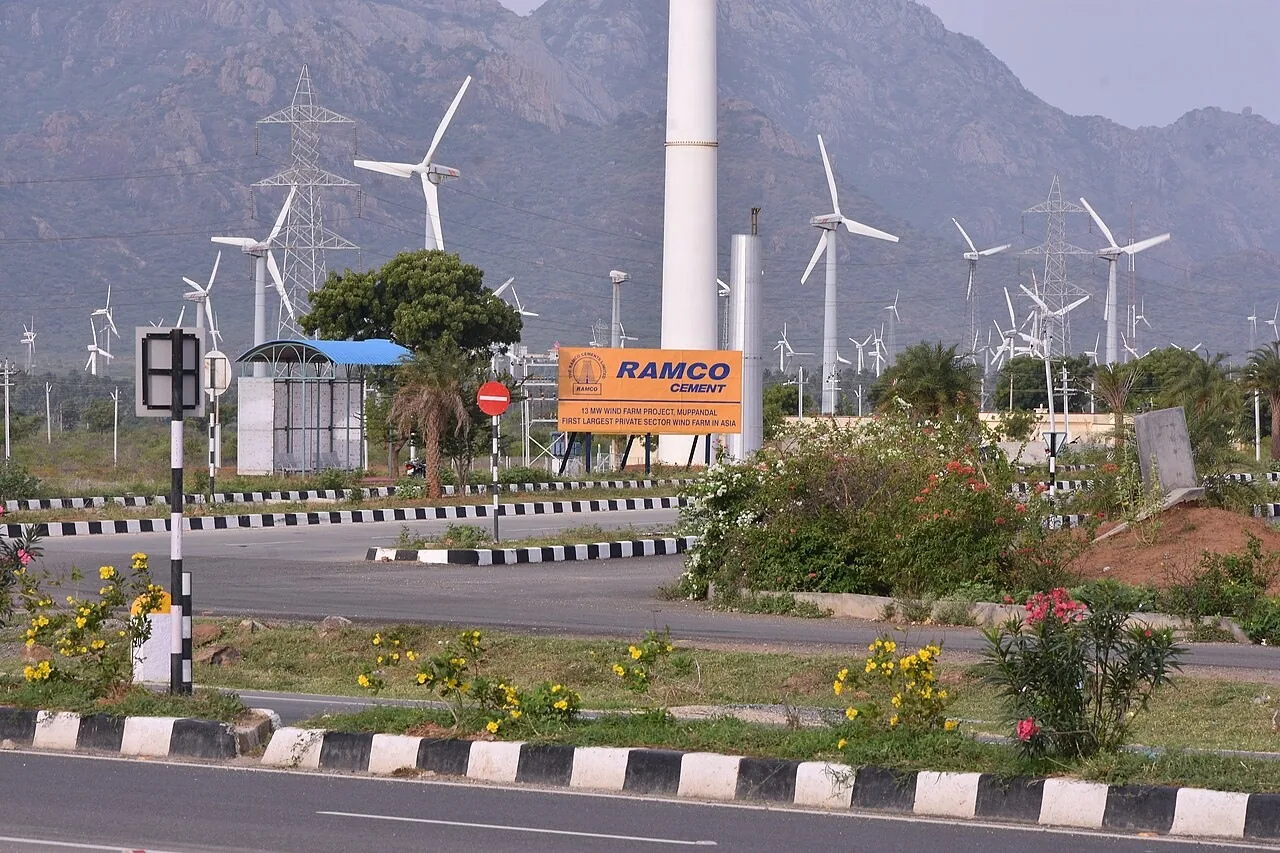

At a glance
- Location
- Muppandal / Aralvaimozhi area, eastern district
- Recommended time
- 45 minutes at a lawful public viewpoint
- Best for
- Landscape observation and wind-energy geography
- Best time
- Daylight with a legal viewpoint and suitable wind and weather conditions.
- Entry
- View only from permitted public ground. Do not enter fenced compounds, climb equipment or park on private land without permission. High wind, dust and rain can make an exposed stop unsuitable.
- Walking
- A brief stop on safe permitted ground; no turbine or equipment access.
Before you go: View only from permitted public ground.
Visit durations are editorial planning suggestions. Allow extra time for travel, queues and your group’s pace.
Why visit Muppandal?
- Wind turbines seen within the mountain-pass landscape
- A connection between geography and electricity generation
- An eastern-district alternative to a cape-only visit
How to reach
By bus
Ask about an Aralvaimozhi or Muppandal service and a suitable public stop. No specific viewing-point connection is verified; a passing bus is not a sightseeing drop-off arrangement.
By train
Aralvaimozhi has rail connections on some services; check your train's actual stopping pattern. Arrange the final transfer and return independently.
By road
Choose a legal off-road parking area with a public view. Keep the driver focused on traffic; never stop on the highway shoulder, stand in the carriageway or enter a turbine service road.
Transport sources checked: . National Institute of Wind Energy: Pavan issue 50, pass-wind research.
The named source records support only their stated scope. Confirm the travel-date service, actual alighting point, final transfer and return journey. No live timetable, fare or guaranteed connection is supplied.
Visitor information
- Opening, admission and facilities
- No public wind-farm tour, visitor-centre hours or turbine access is established. Skip the stop if a safe legal viewpoint is unavailable.
- Access arrangements
- View only from permitted public ground. Do not enter fenced compounds, climb equipment or park on private land without permission. High wind, dust and rain can make an exposed stop unsuitable.
Best time to visit
Daylight with a legal viewpoint and suitable wind and weather conditions.
View only from permitted public ground. Do not enter fenced compounds, climb equipment or park on private land without permission. High wind, dust and rain can make an exposed stop unsuitable.
Visitor information should be confirmed before travelling. Fees, permissions, facilities and last entry are not established unless explicitly sourced below.
Facilities, parking and accessibility
Confirm toilets, drinking water, parking, step-free access and assistance with the destination. A railway or bus arrival does not establish access to the entrance; plan any final walk or transfer for your group.
What to see and do
- Choose a legal public stopping place with safe parking
- Observe the turbines within the mountain-pass landscape
- Return to your road journey without entering service compounds
Important things to know before visiting
View only from permitted public ground. Do not enter fenced compounds, climb equipment or park on private land without permission. High wind, dust and rain can make an exposed stop unsuitable.
Best way to experience this place
Choose a safe public stopping place before planning photographs. Observe how the turbines sit within the mountain-pass landscape.
History and story behind the place
The setting and its local story
National Institute of Wind Energy research describes wind behaviour around the Aralvaimozhi pass. Our wind-landscape feature explains why this terrain matters. Turbines belong to operating energy sites; their visibility from a road does not imply a public wind-farm attraction or a visitor centre.
Read the place in context
The relationship between a mountain pass, local winds and visible energy infrastructure.
Choose a safe public stopping place before planning photographs. Observe how the turbines sit within the mountain-pass landscape.
What makes this place unique?
The relationship between a mountain pass, local winds and visible energy infrastructure.
Combine this with nearby places
Use the Aralvaimozhi pass story for context and return towards Nagercoil for a town visit. Treat any nearby shrine as its own visit with separate access rules.
Responsible visiting
View only from permitted public ground. Do not enter fenced compounds, climb equipment or park on private land without permission. High wind, dust and rain can make an exposed stop unsuitable.
Quick summary
45 minutes at a lawful public viewpoint. The Muppandal and Aralvaimozhi landscape makes wind energy visible on an ordinary road journey through the district's eastern pass. Plan a brief stop only where a public parking place and a safe view are available.
Sources and further reading
Sources for visitor information and transport
- National Institute of Wind Energy: Pavan issue 50, pass-wind research — Destination context and the explicitly attributed published information. Current opening, admission and live transport operation are not established by this reference.
- National Institute of Wind Energy: Pavan issue 50, pass-wind research — Destination context and the explicitly attributed published information. Current opening, admission and live transport operation are not established by this reference.
Verification note
Editorial review: . Transport guidance follows the dated source record above; this is not a live timetable confirmation. Current opening hours, fees and permissions have not been independently verified.
Historical references support the research passages they accompany. Editorial visit durations and recommendations are suggestions, not official operating information.